
The Benefits of Boutique Residential Treatment vs. Large Rehab Centers
Choosing the right recovery environment is a pivotal step. While large institutions offer accessibility, boutique residential treatment centers provide a tailored, intimate approach that prioritizes deep, foundational healing over high-volume processing. In this guide, we explore why a high staff-to-client ratio and absolute privacy are clinical necessities for successful long-term sobriety.

Effective Strategies for Detoxing from Weed
If you’re researching a THC detox, you’re likely facing a deadline or looking for a fresh start. This guide explains why THC lingers in fat cells, how long it can stay detectable, and what actually helps support your body’s natural clearance without relying on “miracle” detox drinks.

Fentanyl Addiction Treatment in Santa Ana: What You Need to Know
Fentanyl addiction develops fast and requires specialized medical care. If you or someone you love is struggling in Santa Ana or Orange County, learn what treatment looks like—and how to take the first step toward recovery.

How to Help Without Losing Yourself A Practical Guide for When Someone You Love Is Struggling
When someone you love is struggling it can turn your life into management mode worrying tracking researching and trying to say the perfect thing so nothing gets worse This guide gives families a clearer calmer approach what actually helps what backfires how to set boundaries without blowing things up and how to create a simple plan that protects both recovery and the household

After Treatment, Families Need a Plan Too: How to Support Recovery at Home Without Taking Over
Discharge isn’t the end of treatment, it’s the start of real life again. And that transition can be messy: everyone’s hopeful, everyone’s anxious, and old patterns show up fast. This post gives families a simple, workable plan for the first 30–60 days after treatment, including what to expect emotionally, what to say (and what to stop saying), how to set boundaries that don’t blow up the house, and a weekly check-in structure that keeps recovery from becoming a daily argument.

How to Actually Use Your Health Insurance for Treatment Without Getting Burned
Using health insurance for treatment can feel like learning a new language while you’re already stressed. Deductibles, out-of-pocket max, prior authorization, “in-network,” “out-of-network,” coinsurance, single case agreements… it’s a lot. This guide breaks it down in plain English, shows you the exact questions to ask admissions and your insurance plan, and helps you get clarity on costs before you commit.

Residential Treatment Isn’t “Extreme”: It’s Structure When Life Isn’t Working
Residential treatment is often misunderstood as a last resort. In reality, it’s a focused reset: 24/7 support, consistent therapy, and a stable environment when outpatient care isn’t enough. If you’re stuck in cycles of relapse, shutdown, or constant crisis management, structure can be the thing that finally creates traction. This post explains what residential treatment is, who it helps most, what a typical day can look like, and how to know if it’s the right level of care.

Detox Isn’t the Whole Treatment: What It Is, What It Isn’t, and How to Choose the Right Next Step
Detox can be the right first step, but it’s not the finish line. For many people, detox is simply medical stabilization: getting substances safely out of the body and managing withdrawal symptoms. The real question is what comes next. This post explains when detox is medically necessary, what a safe detox looks like, why relapse risk is high without follow-up care, and how to plan the next step so you don’t end up starting over.

When You’re Supporting Someone You Love: A Family Guide That Doesn’t Turn Into a Fight
Loving someone who’s struggling can turn your whole life into “management mode” texting, monitoring, researching, worrying, and walking on eggshells. Most families aren’t trying to control anyone. They’re trying to feel safe again. This post lays out a clearer way to support recovery without constant conflict: what to say, what to stop doing (even if it comes from love), how to set boundaries that actually work, and how to take care of yourself while your loved one gets help.

It Started as Stress Relief: When Coping Turns Into Dependence
Most substance use doesn’t start with a big “problem.” It starts with relief, a way to shut off anxiety, sleep, or emotional pain for a few hours. Over time, the line between coping and dependence can blur: you need more to get the same effect, you plan around it, you feel off when you stop, and you can’t reliably choose “not tonight.” This post breaks down the early signs people miss, what to do next (without shame), and how to get real support before it escalates.

When You Feel “Fine” But You’re Not: The Quiet Signs Your Nervous System Is Overloaded
Feeling “fine” can be a survival strategy. If you’re functioning on the outside but constantly tense, exhausted, or irritable, your nervous system may be overloaded even if nothing looks like a crisis. Signs can be subtle: restless sleep, brain fog, snapping at small things, avoiding basic tasks, or feeling numb one day and anxious the next. You’re not broken. Your system is carrying too much for too long. This post breaks down the quiet signs of overload and a few small, realistic resets you can start this week, plus how to know when it’s time to get more support.

Veteran Health Coverage Explained: VA Health Care, TRICARE, CHAMPVA, and VA Community Care
Veteran insurance is not one thing. VA health care, TRICARE, CHAMPVA, and VA Community Care are different systems with different eligibility rules and different ways to access care. This guide breaks down what each one is, who it is for, and the practical steps to figure out what coverage you actually have so you can get to treatment faster.

Anxiety Attack vs Panic Attack: Symptoms, Differences, and How to Stop One Fast
If you’re searching “anxiety attack vs panic attack,” you’re not alone. Panic can feel terrifying and physical. Anxiety can feel constant and consuming. Here’s how to tell the difference and what helps in the moment.

Health Insurance And Addiction Treatment: How Coverage Actually Works
For many people, the biggest question about going to treatment is not only where to go, but how to pay for it. Health insurance can significantly reduce the cost of detox and residential care, but the details are often buried in confusing language. This blog breaks down how coverage for addiction treatment usually works so you can take the next step with more clarity and less fear.

Substance Abuse And Recovery: What You Need To Know
Substance abuse is not a failure or a moral issue. It is a complex health condition that affects the brain, body, and relationships. With the right treatment, structure, and support, people can and do rebuild their lives. This guide explains what substance use disorder is and what real recovery can look like.

When Your Loved One Comes Home From Treatment: A Family Guide to the First Ninety Days
When a loved one comes home from detox or residential treatment, families often feel both relieved and on edge. This guide from The Runway Recovery explains why the first ninety days matter, how to set realistic expectations, and what families can do to support recovery at home while also caring for their own emotional health.

When Mental Health and Substance Use Collide: What “Dual Diagnosis” Really Means
When mental health and substance use collide, it can feel like you are broken beyond repair. In reality, your brain has been trying to cope with something real. This post breaks down what dual diagnosis is, why people start using to survive, and why treating both the addiction and the underlying mental health is the only way recovery actually sticks.

Insurance Verification For Treatment At The Runway Recovery
Starting treatment is hard enough without worrying about surprise bills. At The Runway Recovery our team walks you through simple insurance verification so you know what your plan covers for detox and residential treatment before admission. We contact your insurer review your behavioral health benefits and explain expected costs in clear language so you can focus on healing instead of paperwork.

Life After Residential Care: Building a Bridge Back Home
Residential recovery provides a safe and structured environment for healing, but the journey does not end at discharge. Transitioning back home can feel overwhelming without a plan. This blog explores why aftercare matters, the role of family and community, and the tools that help clients build resilience once they leave treatment.
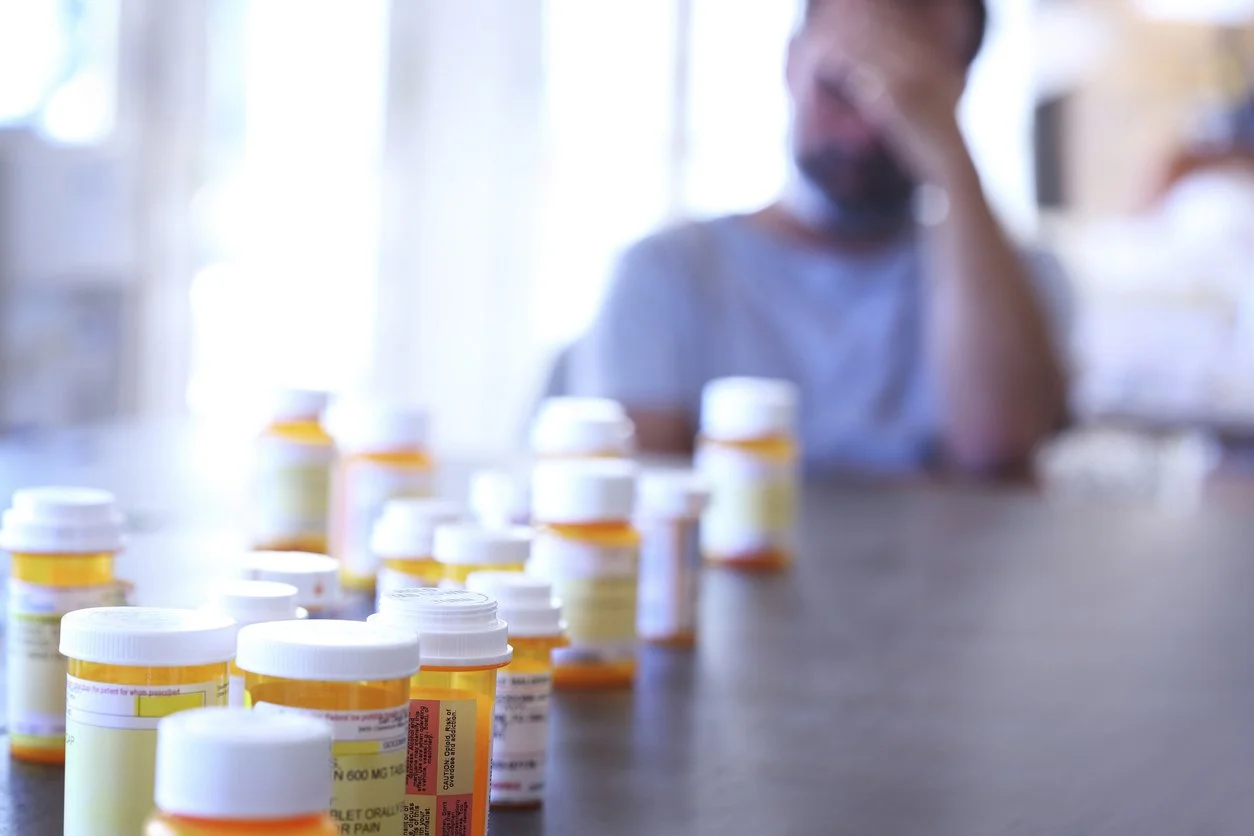
Opioid Detox: Safely Managing Withdrawal and Beginning Recovery
Learn how opioid detox works, what withdrawal looks like, and why medical support is essential for recovery.